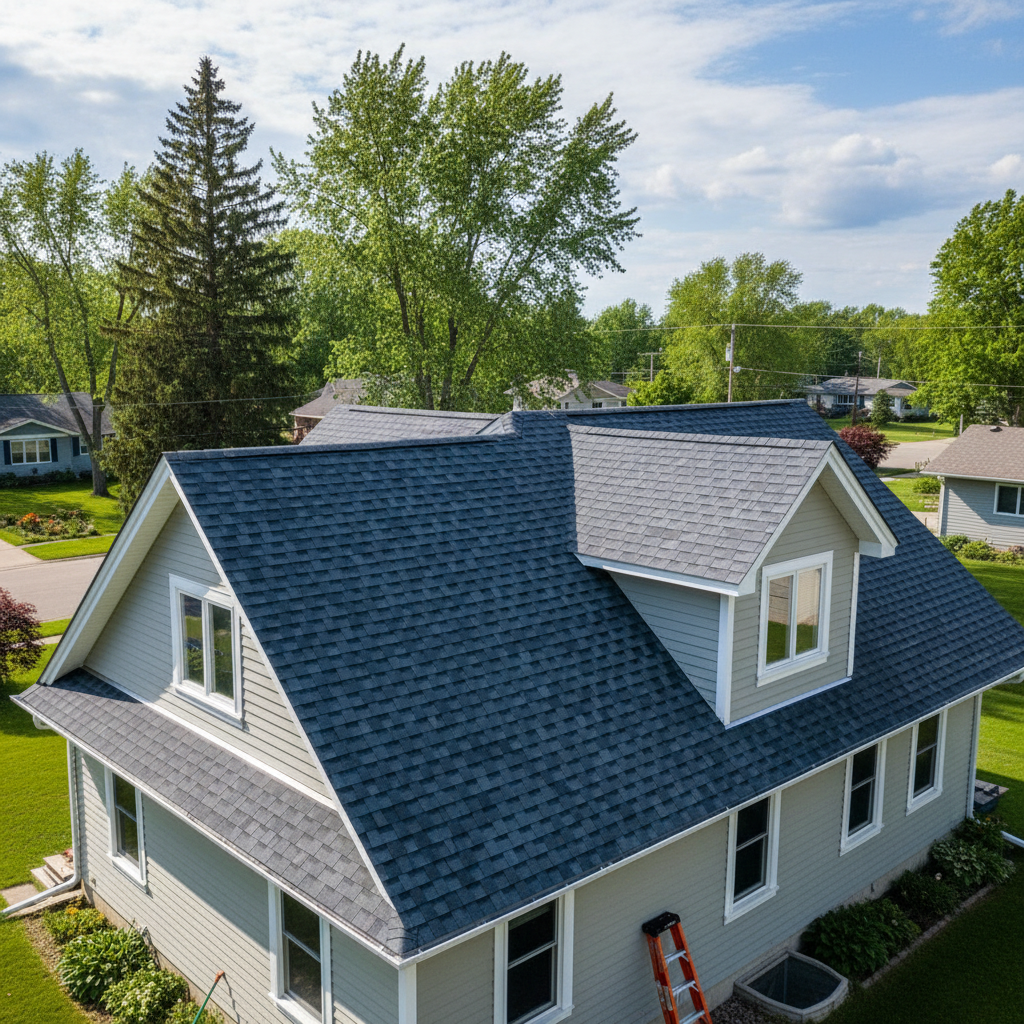
So, you just put money into a brand-new roof. That's a big deal! Whether my crew installed it for you or another good company did, you want that investment to last. And it absolutely can, even with our crazy Superior winters and those muggy summers. But it won't happen magically. You've got to put in a little effort, or at least know what to look for. Think about it like maintaining your truck; you don't just drive it until it breaks down, do you? Your roof is pretty much the same story.
Extending Your Roof's Lifespan: It's More Than Just Shingles
A new roof isn't just about the shingles; it's a whole system, all working together to protect your home. To really get the most out of it, you need to consider the entire package. One of the biggest things I see homeowners miss? Proper attic ventilation. Our climate here in Superior, especially with those long, cold winters, means a lot of heat can get trapped in your attic. Without good ventilation, that warm, moist air just sits there. That leads to ice dams in winter and makes your shingles age faster in the summer. It's truly a double whammy.
Keeping your gutters clear is another huge one. I know, I know, it's a pain, especially when those big maple trees around the East End start shedding their leaves. But if your gutters are clogged, water has nowhere to go. It backs up under your shingles, or just spills over the edge, eroding your landscaping and potentially damaging your foundation. It's a simple fix, really, but it prevents a ton of headaches.
Also, keep an eye on any trees close to your house. Branches rubbing against the roof can wear down shingles over time. And heavy snow or ice can cause them to break and fall, which can cause some serious damage. A little preventative trimming can save you a lot of money and stress down the road, believe me.
Regular Upkeep: Your Annual Checklist
You don't need to be up on your roof every weekend. But a good annual check-up, maybe twice a year, can catch small issues before they blow up into big, expensive problems. Here’s what I always tell folks:
- Clear the gutters: Do this in late fall after the leaves have dropped, and then again in the spring. Get all that gunk out – leaves, twigs, shingle grit. Make sure your downspouts are clear, too.
- Look for debris: After a big storm, or even just some high winds, check your roof from the ground. Binoculars work great for this. Look for fallen branches, loose antenna wires, or anything else that doesn't belong up there.
- Inspect your attic: Head up there a couple of times a year. Look for any water stains on the underside of your roof decking, especially around vents or chimneys. Feel for damp spots. And make sure your insulation isn't wet.
- Check flashing: Flashing – those metal pieces around chimneys, skylights, and vents – is super important. Make sure it's not bent, rusted, or pulling away. These are common spots for leaks, you know?
- Examine shingles (from the ground): Look for any that are cracked, curled, missing granules, or completely gone. If you spot a few loose ones, it's usually an easy fix.
Warning Signs: Don't Ignore These
Your roof generally gives you a heads-up before it completely fails. Knowing these signs can save you from a much bigger repair bill, or worse, interior damage.
- Granules in gutters: A few granules are normal, especially on a newer roof. But if you're seeing a lot of them, like handfuls, that means your shingles are losing their protective coating. They're starting to wear out.
- Water stains on ceilings or walls: This one's pretty obvious, but sometimes people think it's just a plumbing issue. If the stain is on an exterior wall or ceiling, especially after rain or snowmelt, it's almost certainly a roof leak.
- Sagging roof deck: If you notice any dips or sags in your roofline, either from the outside or from inside your attic, that's a serious structural problem. It needs immediate attention.
- Missing or damaged shingles: Even one missing shingle can let water in. Seriously, don't put off replacing it.
- Higher energy bills: Sometimes, a failing roof or poor attic ventilation can cause your heating and cooling costs to spike. Your home just isn't insulating properly anymore.
When to Call a Professional (That's Us!)
Look, I'm all for homeowners doing what they can. But some things are just better left to the pros. If you see any of those warning signs, or if you're just not comfortable getting on a ladder, that's when you call Paradise Roofing Inc. Don't try to patch a major leak yourself if you're not experienced; you could do more harm than good, or even worse, injure yourself. We've got the training, the tools, and the safety gear to handle it right.
Also, if you've had a severe storm – high winds, heavy hail, or a massive amount of snow – it's always a good idea to get a professional inspection. Sometimes damage isn't immediately obvious from the ground. We can spot subtle issues that could turn into big problems later. Catching things early is always cheaper than waiting for a full-blown emergency, isn't it?
Your roof is your home's first line of defense against the elements. Treat it well, and it'll protect you for years to come.