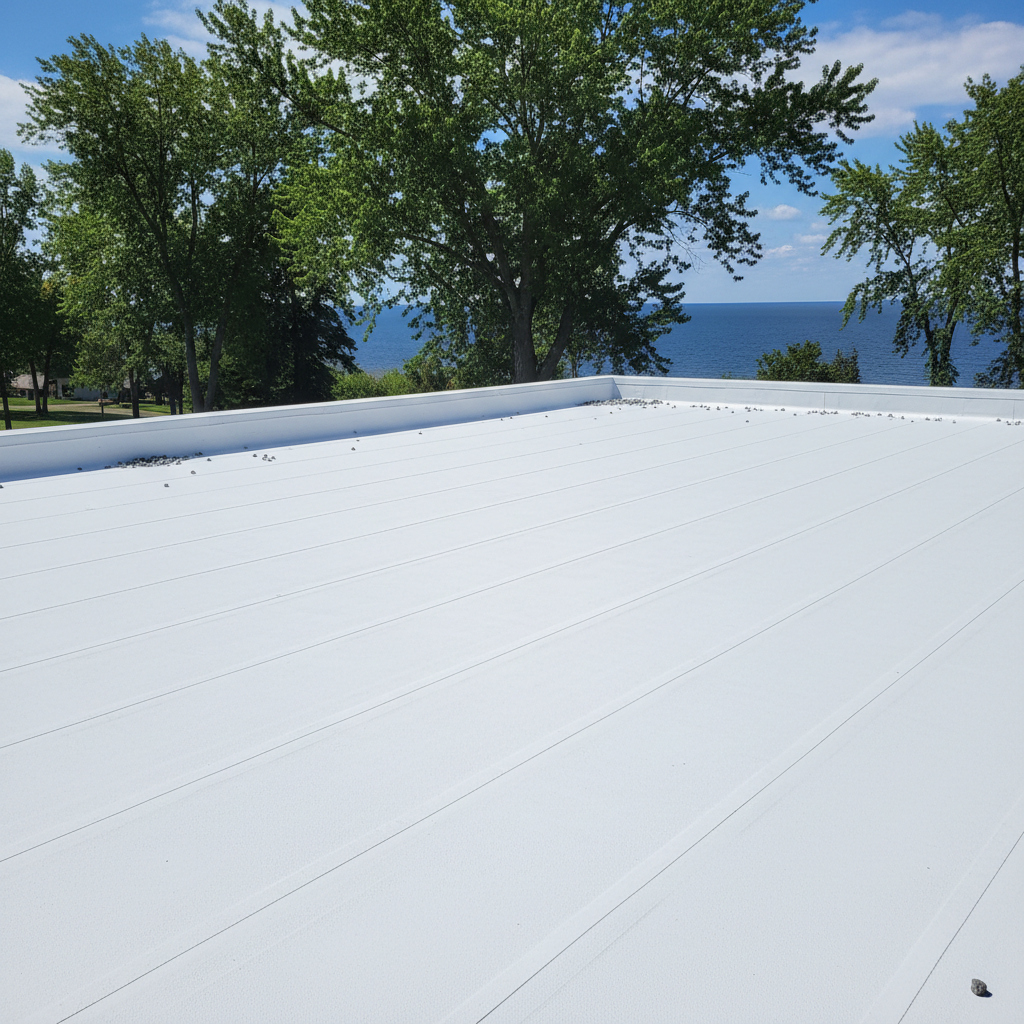
Alright, let's talk TPO. You might hear 'TPO' and immediately think of big box stores or those huge industrial buildings. But honestly, it's a fantastic choice for residential low-slope or flat roofs right here in Superior. I get a lot of questions about it, so I figured I'd just lay out the answers to the most common ones I hear. No fluff, just what you really need to know.
What exactly is TPO roofing, anyway?
TPO stands for Thermoplastic Polyolefin. Sounds a bit fancy, doesn't it? Really, it's a single-ply membrane, meaning it's just one layer of synthetic material that we roll out and attach to your roof deck. It's made from a blend of polypropylene and ethylene-propylene rubber. The big deal with TPO is how we seal the seams. We use a special hot-air welder to literally melt the edges of the sheets together, creating a seamless, watertight bond. This is a huge advantage over some other flat roofing materials that rely on adhesives or tape for seams, which, let's face it, can degrade over time.
Is TPO a good choice for my Superior home's flat roof?
Absolutely, it can be. For homes with low-slope or flat roofs, TPO is one of the best options out there, especially considering our climate. It's incredibly durable, resistant to tears, punctures, and impacts – which is great news when we get those hailstorms or heavy snow loads. It also handles thermal expansion and contraction really well. That's critical with our wild temperature swings, from deep winter freezes to hot, humid summers, wouldn't you agree? Plus, its light color reflects a lot of the sun's UV rays. This can help keep your attic and home cooler in the summer, potentially saving you a bit on energy bills. That's a nice perk when the sun's really beating down on a dark roof.
How long can I expect a TPO roof to last?
With proper installation and a bit of basic maintenance, you're easily looking at 20 to 30 years. I've even seen TPO roofs still going strong well past that mark. The key, though, is that professional installation – making sure those seams are perfectly welded and the membrane is properly adhered. If it's done right the first time, it's built to last. Things like ponding water, falling branches, or heavy foot traffic can shorten its life, but generally speaking, TPO is a long-term investment. Just like any roof, a quick check-up every year or two can catch small issues before they become big, expensive problems.
What kind of maintenance does a TPO roof need?
Honestly, TPO is pretty low-maintenance, which is another reason it's so popular. The main thing is just keeping it clean. Debris like leaves, dirt, and branches can pile up, especially in the valleys or around drains, and that can hold moisture or even lead to algae growth. So, a good sweep or rinse a couple of times a year is a smart move. You'll also want to check those drains and scuppers to make sure they're clear and flowing freely. If water sits on your roof for extended periods, it's never a good thing, even for TPO. And of course, keep an eye out for any punctures or tears, especially after a rough storm. If you spot anything, give us a call at Paradise Roofing Inc, and we can patch it up before it causes bigger headaches.
Is TPO expensive compared to other flat roofing options?
When you first look at the upfront cost, TPO might seem a little higher than some traditional options like modified bitumen or EPDM. But you've really got to consider the whole picture. Because TPO lasts so long and needs less maintenance, its lifecycle cost is often lower. You're paying for durability, energy efficiency, and a roof that's going to stand up to our Superior weather for decades. Plus, the installation process is generally quicker than some multi-ply systems, which can sometimes save on labor costs. It's an investment, yes, but one that typically pays off in the long run.
What about TPO's environmental impact?
That's a good question, and it's something more homeowners are asking about these days. TPO is considered a pretty eco-friendly option. For starters, it's often recyclable at the end of its life, which reduces landfill waste. The light color, as I mentioned, reflects sunlight, reducing the urban heat island effect and lowering your cooling costs. This means less energy consumption, which is good for your wallet and the planet. Plus, the manufacturing process for TPO is generally cleaner than some other roofing materials, producing fewer greenhouse gases. It's not perfect, but it's definitely a step in the right direction if you're trying to make greener choices for your home.
Can TPO be installed over an existing roof?
Sometimes, yes, but it really depends on the condition of your current roof. If your existing roof deck is sound, dry, and relatively smooth, and there aren't multiple layers already, we might be able to install TPO directly over it. This can save you a bit on tear-off costs and disposal. However, if there's any rot, significant damage, or moisture trapped in the existing layers, we'll absolutely need to tear everything off down to the deck. You don't want to trap problems under a brand-new roof, do you? We'll always do a thorough inspection first to figure out the best and safest approach for your specific situation. Every roof is a little different, especially with some of the older homes we have around the Central Park or Billings Park neighborhoods.