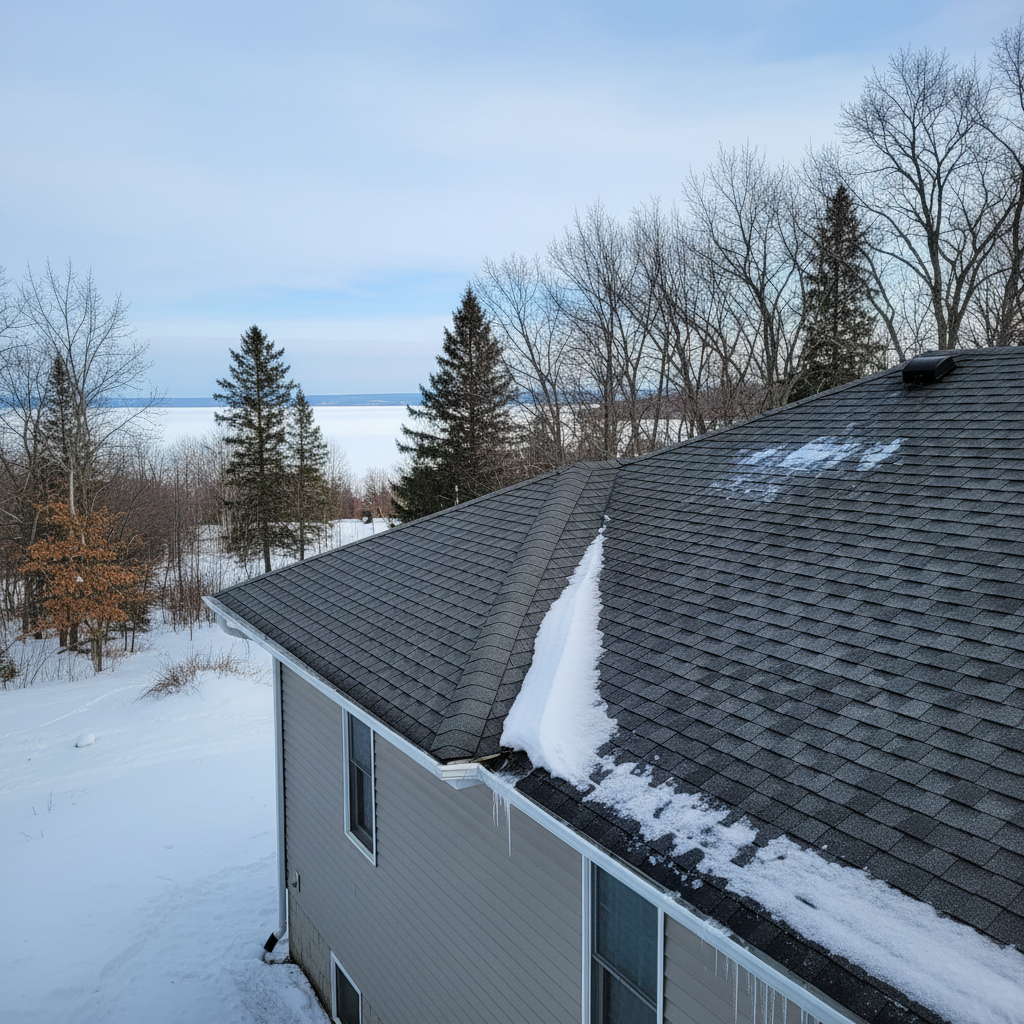
Alright, let's talk roofs in Superior. You know as well as I do that our weather up here isn't exactly mild. That means your roof takes a beating, and knowing when to get it looked at, or even replaced, is crucial. It's not just about patching a leak; it's about protecting your whole home.
Timing Your Roof Repairs: It's All About the Seasons
You can't just call a roofer any old day and expect magic, especially with our climate. The weather dictates a lot of what we can and can't do. Here's how I see it:
Spring (April-June): This is prime time, folks. The snow's finally gone, the ground's thawing out, and we're getting those first few weeks of consistent above-freezing temps. This is when you should be calling us for inspections. We can spot any winter damage – ice dam issues, lifted shingles from high winds off the lake, or anything else that got stressed. Scheduling repairs now means you beat the summer rush and get things fixed before the heavy rains hit.
Summer (July-August): Still a great window for work. Longer days, generally warmer temperatures, which is ideal for materials like asphalt shingles to seal properly. If you've been putting off a big project, summer's usually when we can tackle it without worrying about freezing temps or surprise snowfalls. Just watch out for those pop-up thunderstorms; we can't work in a downpour, obviously.
Fall (September-October): This is your last good chance before winter clamps down. If you missed spring or summer, get on the phone now. We're racing against the clock to get roofs watertight before the first serious snow. It's also a good time for a pre-winter inspection to make sure everything's buttoned up. You don't want to find out you've got a problem when there's three feet of snow on your roof.
Winter (November-March): Honestly, this is emergency-only territory for most major repairs. It's tough on the crew, tough on materials, and tough on your wallet sometimes because it's specialized work. We can do temporary fixes, sure, or handle certain types of repairs if it's absolutely necessary and safe. But for a full re-roof or extensive repairs, you're usually better off waiting for spring. The cold makes shingles brittle, and ice can be a real hazard for everyone involved.
Weather Conditions That Affect Our Work
It's not just the season; specific weather conditions really matter. We're not trying to be difficult when we reschedule; we're trying to do the job right and keep everyone safe.
Temperature: For asphalt shingles, you want it above 40 degrees Fahrenheit, ideally. Colder than that, and the shingles don't seal properly. They can crack when handled, too. Too hot, and they get soft and sticky, which makes them harder to work with and can damage the granules.
Wind: This is a big one, especially here with the breezes coming off Lake Superior. High winds are a no-go. It's dangerous for our crew up on the roof, and it can blow new materials around before they're secured. We're talking about safety for our guys and making sure your new roof stays put.
Rain/Snow/Ice: Obvious, right? We can't work on a wet or icy roof. It's incredibly slippery, and water getting under new materials during installation is a recipe for disaster down the road. We need a dry deck to do quality work. Ice dams in particular are a pain; they tell us there's an insulation or ventilation issue, not just a roof problem.
Protecting Your Investment Year-Round
Your roof is a big chunk of your home's value and its first line of defense. Here's what you can do:
Regular Inspections: I can't stress this enough. Get it looked at by a pro every year, especially after a rough winter or a big storm. We'll catch small issues before they become huge, expensive problems. It's like getting the oil changed in your car.
Clean Gutters: Seriously, do it. Clogged gutters cause water to back up, leading to fascia rot, soffit damage, and those infamous ice dams we deal with every winter. It's a simple fix that prevents a lot of headaches.
Trim Trees: Branches rubbing on your roof or hanging over it can cause damage to shingles and allow critters access. Plus, heavy snow or ice can break branches, sending them crashing down. Keep those trees trimmed back.
Ventilation: Make sure your attic is properly ventilated. This is huge for preventing moisture buildup, mold, and premature aging of your roof materials. Good ventilation keeps your attic cooler in summer and helps prevent ice dams in winter. If you've got an older home in, say, the East End, good chance your ventilation could use an upgrade.
Look, your roof is working hard for you 24/7, 365 days a year. A little proactive care and smart scheduling can save you a ton of money and stress in the long run. If you've got questions or need an inspection, don't hesitate to give us a call at Paradise Roofing Inc. We're here to help you keep a solid roof over your head.