How long do asphalt shingles really last up here?
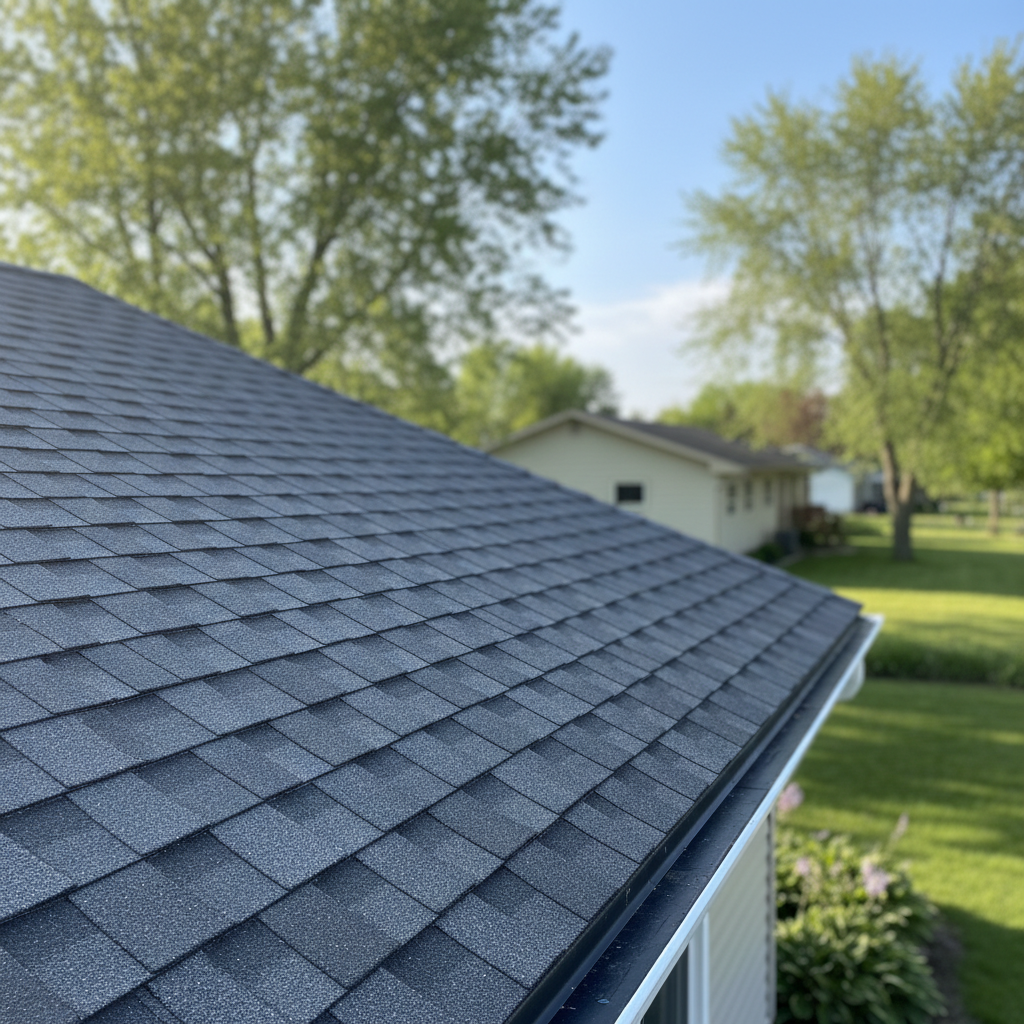
This is probably the first thing everyone asks, and it's a good question. You'll see manufacturers claim 25, 30, even 50 years for their shingles. But let's be honest, up here in Superior, with our brutal winters, heavy snow loads, and those wild temperature swings, it's a totally different ballgame. For a standard architectural shingle, I usually tell folks to expect 20-25 years. That's if it was installed correctly, of course, and you've kept up with some basic maintenance. Premium, heavier shingles might push that to 30 years, but 50? That's a real stretch for our climate. The constant freeze-thaw cycles and those strong winds off Lake Superior are just incredibly tough on granules, and once those are gone, your shingles are, well, toast.
What's the deal with those black streaks on my roof?
Ah, the dreaded black streaks. That's not dirt, and it's not a sign your roof is falling apart, at least not directly. Those are actually algae, specifically a type called Gloeocapsa magma. It really thrives in humid conditions and feeds on the limestone filler in your shingles. Mostly, it's an aesthetic issue – makes your roof look old and dirty. But over time, heavy algae growth can hold moisture, potentially degrading your shingles faster. Don't even think about pressure washing your roof, though; that'll strip granules faster than anything. There are treatments you can apply, or better yet, look for algae-resistant shingles next time. Those have copper granules mixed in to prevent growth.
Do I really need to clean my gutters? What's that got to do with my roof?
You absolutely need to clean your gutters, especially if you've got a lot of mature trees around your house, like many of the older homes in the Central Park neighborhood. Clogged gutters mean water can't drain properly. That water backs up, sits on your fascia boards, and can even seep right under your shingles. This leads to rot, ice dams in winter, and damaged soffits. It's a simple, often overlooked task that can save you thousands in roof and siding repairs. Honestly, I've seen more roof edge damage from neglected gutters than almost anything else.
My neighbor just got a new roof, and it looks like they put new shingles right over the old ones. Is that okay?
That's called a re-roof or a layover. Sometimes it's acceptable, but often it's not the best long-term solution. The main benefit is saving money because you're not paying for tear-off and disposal. However, you can only do it once, and only if the existing roof deck is in good shape, flat, and only has one layer of shingles already. If there are soft spots, significant sagging, or multiple layers, you're just putting a band-aid on a much bigger problem. Plus, a second layer adds weight, and it's harder to spot underlying issues like rot or structural damage. Paradise Roofing Inc. generally recommends a full tear-off so we can inspect the deck and ensure a solid foundation for your new roof.
How can I tell if I need a new roof or just a repair?
This is where a professional inspection really comes in handy, but there are some signs you can look for yourself. If you're seeing lots of shingle granules in your gutters, shingles that are curled, cracked, or missing entirely, or if you've got water stains on your ceilings, those are pretty clear indicators. Also, if your roof is just old – pushing that 20-25 year mark – it's probably time to start thinking about replacement. Small, isolated damage from a storm might be repairable, but widespread issues usually mean it's time for a full replacement. Don't wait until you've got a leak in your living room, okay?
Are there any specific things I should ask about when getting a roofing quote?
Definitely. Don't just look at the bottom line. Ask about the type of shingle they're proposing – the brand, model, and warranty. Inquire about the underlayment they'll use; a good synthetic underlayment is crucial for our climate. Ask about ice and water shield – where they'll install it and how much. For Superior, you really want it at least 6 feet up from the eaves to protect against ice dams. Clarify what's included in the tear-off and disposal. Make sure they talk about ventilation; proper attic ventilation is key for shingle longevity and preventing moisture issues. And always ask for proof of insurance and references. A good contractor won't hesitate to provide all this information, not one bit.