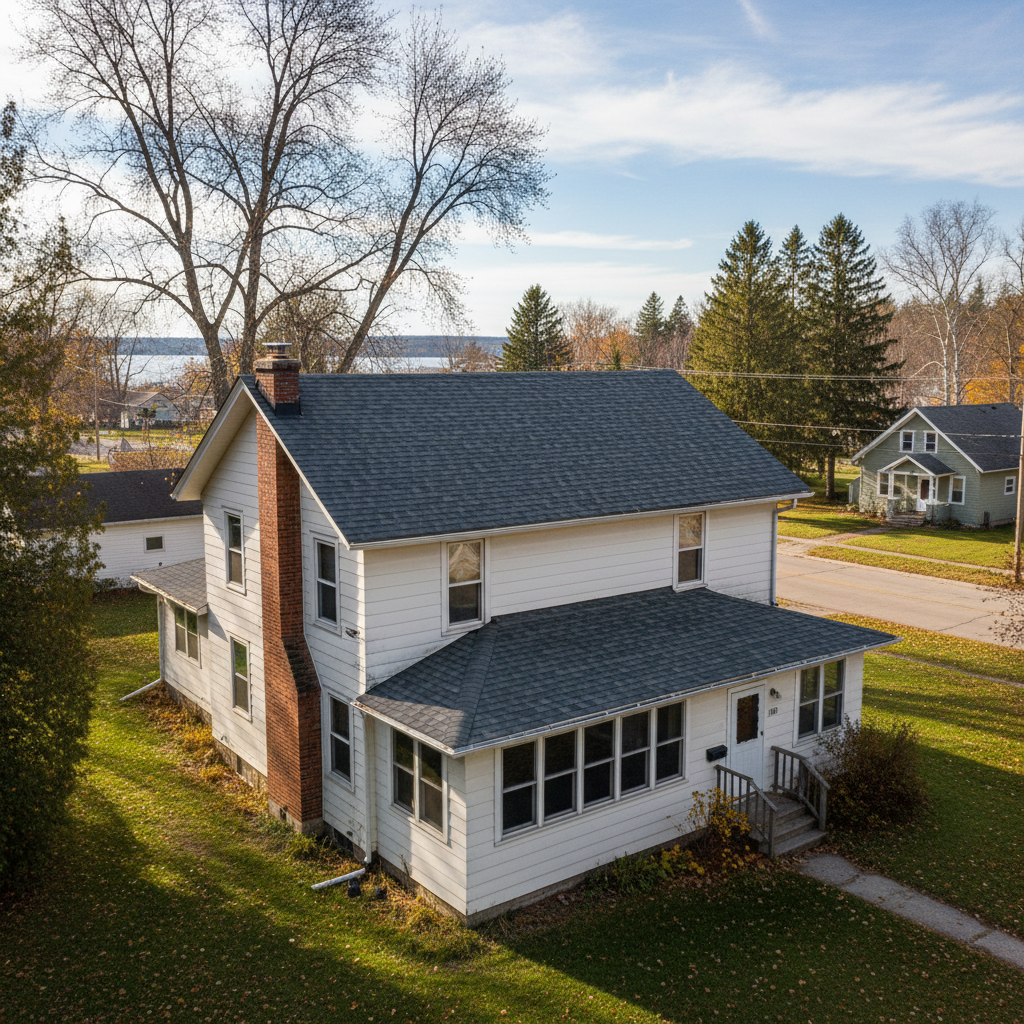
Let's talk about money. Specifically, what does it actually cost to replace a roof right here in Superior? I get asked this question all the time, and while every single job is unique, I can give you some solid numbers and explain what goes into that final price tag. You see, you're not just buying shingles; you're investing in your home's protection for the next couple of decades. It's a big deal.
What Makes a New Roof Cost What It Does?
A whole bunch of things factor into the price. Honestly, if a roofer can't explain these clearly to you, that's a pretty big red flag. Here's what we always look at:
- Roof Size and Pitch: This is probably the biggest factor, no surprise there. A bigger roof means we need more materials and, naturally, more labor. A steep roof (what we call a high pitch) is harder and more dangerous for the crew to work on, so it just takes longer and costs more. Think about a two-story house with a really sharp peak versus a ranch home with a gentle slope; that's a huge difference in effort.
- Material Choice: Asphalt shingles are the most common choice around here, and even those come in different grades. Basic 3-tab shingles are the cheapest option, architectural (laminate) shingles are mid-range, and then premium designer shingles cost more. And don't forget metal roofs, which are a whole different ballgame price-wise, but they do last a lot longer.
- Old Roof Removal: If your house has just one layer of old shingles, it's pretty straightforward to take off. But if you've got two or three layers, or if they're really stuck down tight, that means more work for us and higher disposal fees. We've seen some houses in the older parts of Superior, maybe around Central Park, where folks have just layered shingles for decades. That really adds up.
- Decking Condition: Once we tear off the old roof, we always inspect the plywood or OSB decking underneath. If it's rotted, soft, or damaged from past leaks, we absolutely have to replace those sections. This is an extra cost, yes, but it's totally crucial for a solid new roof.
- Flashing and Ventilation: Please, don't ever skimp here. Proper flashing around chimneys, skylights, and valleys is what prevents leaks. Good ventilation (think ridge vents, soffit vents) actually extends your roof's life and helps with energy efficiency. We build these into your quote, but sometimes upgrades are a good idea.
- Permits and Dump Fees: Yep, there's a cost for the city permit, and hauling away all that old roofing material isn't free either. These are just standard parts of the job.
What a New Roof Typically Costs in Superior, WI
Alright, let's get down to some actual numbers. For an average-sized home in Superior (let's say 1,500 to 2,000 square feet of roof surface area), you're generally looking at:
- Basic 3-Tab Asphalt Shingles: Expect to pay anywhere from $8,000 to $12,000. This is your most economical option, but they won't last as long or look as good as architectural shingles.
- Architectural (Laminate) Asphalt Shingles: This is what most homeowners choose, honestly. For a good quality architectural shingle, you're usually in the range of $12,000 to $18,000. They offer better wind resistance and a much nicer look.
- Premium/Designer Asphalt Shingles: If you want a specific style or extra durability, these can push the cost to $18,000 to $25,000+.
- Metal Roofing: A standing seam metal roof is a significant investment, often starting around $25,000 and going up to $40,000+ depending on the type and how complex the job is. But remember, these can last 50 years or even more, which is a huge advantage with our harsh winters here.
These ranges include labor, materials, tear-off, disposal, and standard warranties. Just keep in mind, these are estimates. Your actual cost will depend on the specifics of your home, of course.
What Should a Good Quote Include?
When Paradise Roofing Inc gives you a quote, we make sure it's crystal clear. A good quote should itemize things, not just give you one big number. Look for:
- Detailed Material List: This means the brand, type, and color of shingles, underlayment, drip edge, flashing materials, and any other components we'll use.
- Scope of Work: What exactly are they doing? Tear-off of existing layers, inspection of the decking, replacement of damaged decking (and how they price it, usually per sheet), installation of new roofing system components.
- Ventilation Plan: What kind of vents are being installed, and where will they go?
- Warranty Information: Both the manufacturer's warranty on materials and the contractor's warranty on labor.
- Cleanup Plan: How will they protect your property and clean up all the debris?
- Payment Schedule: Clear terms for deposits and final payments.
How to Avoid Paying Too Much for Your New Roof
Nobody wants to get ripped off, right? Here's how you can protect yourself:
- Get Multiple Quotes: Don't just go with the first guy who shows up. Get at least three detailed quotes. This helps you compare apples to apples and really understand the market rate.
- Check References and Reviews: See what other homeowners in Superior say about the contractor. Are they reliable? Do they stand by their work?
- Verify Licensing and Insurance: This is non-negotiable, truly. Make sure they're properly licensed and insured. If they're not, you could be on the hook if something goes wrong.
- Ask Questions: Don't be afraid to ask about anything you don't understand in the quote. A good contractor will take the time to explain it all.
- Beware of Lowball Bids: If one quote is significantly lower than all the others, be very cautious. They might be cutting corners on materials, labor, or even insurance, and that will cost you more in the long run.
- Understand the Warranty: A strong warranty protects your investment. Make sure you know what's covered and for how long.
Replacing your roof is a big deal, and it's a major investment in your home. Take your time, do your homework, and choose a local contractor you trust. It'll save you headaches and money down the road, believe me.