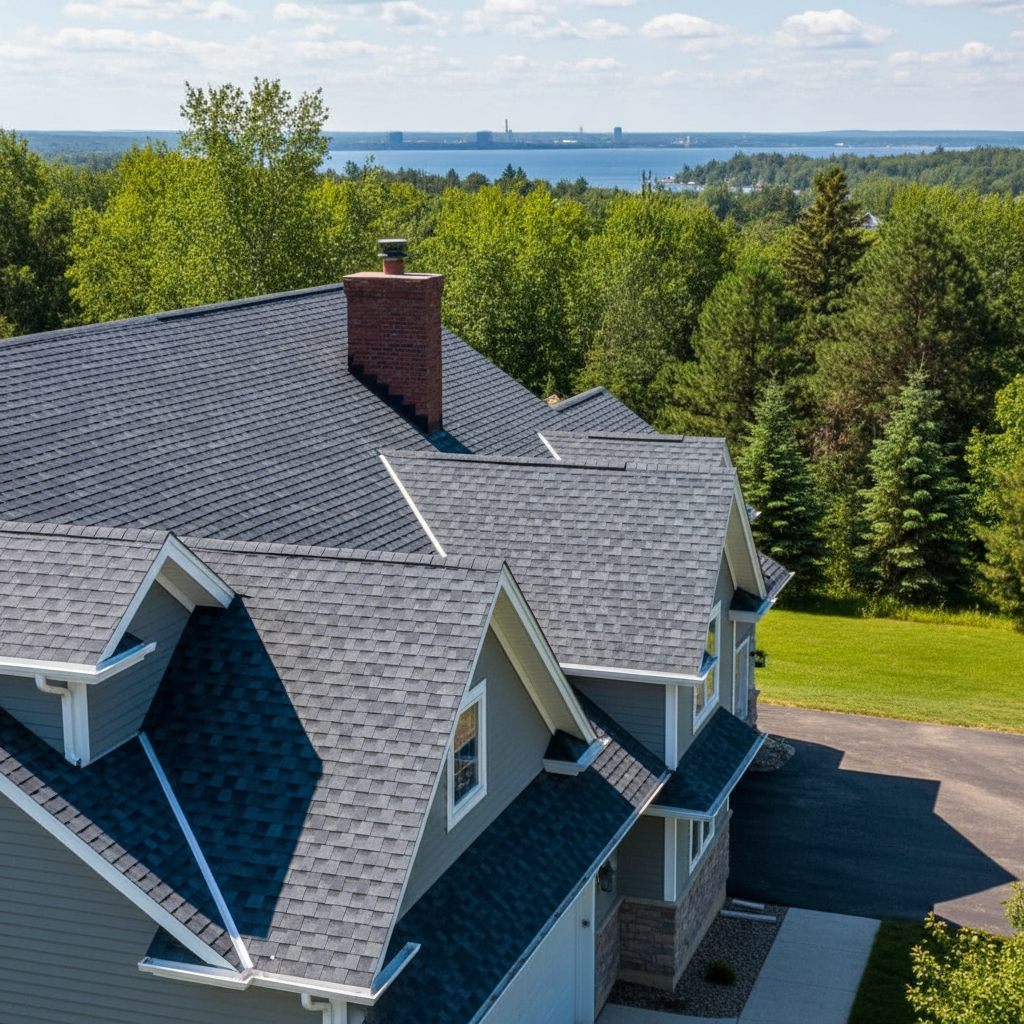
Alright, so you've just finished up a new build or a big renovation, and now you've got a shiny new roof over your head. That's a big investment, isn't it? You definitely want it to last. Especially up here in Superior, where Mother Nature really puts a roof through its paces. A new roof isn't a "set it and forget it" kind of deal, not if you want to get every last year out of it. You've got to treat it right from day one.
Making Your Roof Last Longer in Our Climate
Our climate here in Superior, WI, is no joke. We get brutal winters, complete with heavy snow loads, ice dams, and those freeze-thaw cycles that really stress materials. Then, we swing into hot, humid summers, bringing intense UV exposure and sometimes violent thunderstorms. All of this is tough on a roof, even a brand-new one. The good news? A little proactive care goes a long way.
First off, keep those gutters clean. Seriously, this is probably the easiest thing you can do, and it's so often overlooked. Clogged gutters mean water can't drain properly. That water backs up, sits on your fascia and under your shingles, and in winter, it turns into ice dams. Ice dams are the enemy of any roof, new or old. They force water under your shingles, leading to leaks, rot, and damaged insulation. I've seen it happen too many times in neighborhoods like Billings Park, where the mature trees drop a ton of leaves.
Managing tree branches is another big one. If you've got trees overhanging your roof, trim them back. Branches rubbing against shingles wear them down over time, and a falling branch during a windstorm can cause instant, major damage. Plus, leaves and pine needles from those trees pile up, trap moisture, and create prime spots for moss and algae to grow, especially on the north-facing slopes that don't get as much sun.
Regular Maintenance: What You Should Be Doing
You don't need to be up on your roof every weekend, but checking it a couple of times a year is a good idea. I recommend doing a check-up in the spring after the snow melts and again in the fall before the heavy snows hit. If you're not comfortable getting on the roof, you can often do a pretty good visual inspection from the ground with a pair of binoculars, or from a sturdy ladder.
- Clear Debris: Get rid of any leaves, twigs, or other junk that's collected, especially in valleys or around chimneys and vents. These spots are designed to shed water, and debris stops that from happening.
- Inspect Gutters and Downspouts: Make sure they're clear, securely attached, and directing water away from your foundation.
- Look at Your Shingles: Are any missing? Are they curling, cracking, or lifting? Even on a new roof, sometimes a shingle or two can get dislodged by a strong gust of wind or an animal. Catching this early prevents bigger problems.
- Check Flashing: This is the metalwork around chimneys, vents, skylights, and along walls. It's crucial for preventing leaks. Make sure it's all still tight and sealed. Look for any signs of rust or separation.
- Examine Attic Ventilation: Good attic ventilation is key to preventing heat and moisture buildup, which can damage your roof deck and insulation. Ensure your soffit vents aren't blocked and your ridge or roof vents are clear. This also helps prevent those nasty ice dams in winter.
Warning Signs You Shouldn't Ignore
Your roof usually gives you clues when something's wrong. Don't wait until you've got a bucket under a drip in your living room to act. Here are some red flags:
- Missing or Damaged Shingles: This is an obvious one. If you see shingles on the ground after a storm, you know you've got a problem.
- Granule Loss: If you see a lot of shingle granules washing into your gutters or downspouts, that's a sign your shingles are starting to wear down. On a new roof, this might indicate a manufacturing defect or installation issue.
- Water Stains on Ceilings or Walls: This is a clear sign of a leak. Don't ignore it. The leak might be small now, but it'll get worse and cause more damage to your home's structure and interior finishes.
- Sagging Roof Deck: If you notice any dips or sags in your roofline, that's a serious structural issue and needs immediate professional attention.
- Mold or Mildew: If you see dark streaks or patches on your roof, especially on shaded areas, it's likely algae or moss. While not immediately damaging, it can retain moisture and shorten shingle life.
- High Energy Bills: Sometimes, a compromised roof or poor ventilation can lead to your heating or cooling system working harder than it should.
When to Call Paradise Roofing Inc.
Look, I'm a roofer, not a doctor, but I can tell you when to call a professional. If you see any of those warning signs, or if you're just not comfortable getting up on the roof yourself, that's when you give us a call. Don't try to patch something up yourself if you're not sure what you're doing; you could make it worse or even void your warranty.
We can come out, do a thorough inspection, and give you an honest assessment of what's going on. Sometimes it's a simple fix, other times it's more involved. Either way, catching problems early saves you a lot of headache and money down the road. Your new roof is a long-term investment in your home's safety and value, and taking care of it properly ensures it pays off for years to come.